.png&w=3840&q=75)
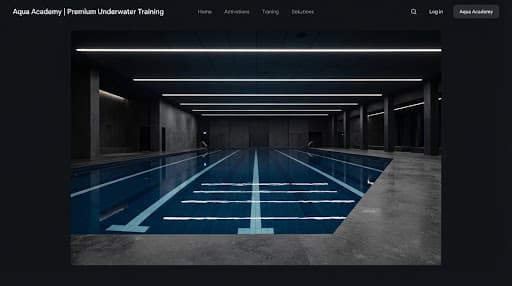
A practical roadmap for adults choosing a first swimming course, from goals and class format to a useful first assessment.
Start with the outcome, not a stroke name
An adult beginner may want to feel calm in deep water, swim continuously for fitness, prepare for travel, or improve one existing stroke. Tell the coach which real-life outcome matters most. A useful assessment then checks breathing comfort, balance, propulsion and the ability to stop and recover safely instead of forcing every learner through the same first lesson.
Compare the learning environment
Ask how learners are grouped, how much individual feedback is available and what happens when someone needs more time. The best timetable is one you can attend consistently without arriving exhausted or rushed.
- Confirm the pool depth and entry method before arrival.
- Ask what equipment is provided and what you should bring.
- Choose a class with explicit safety rules and visible supervision.
- Review progress after several sessions, not after one difficult drill.
What a sound first session looks like
Expect an orientation to the venue, a short conversation about health and experience, and simple tasks that establish a baseline. You should leave knowing what you practised, why it matters and what the next step is. Distance and speed are secondary until breathing, body position and control are repeatable.