.png&w=3840&q=75)
What you will learn
- •Breathing and body line affect one another.
- •Test one variable at a time.
- •Progress from stable shapes to connected swimming.
Begin with a shape you can recover from
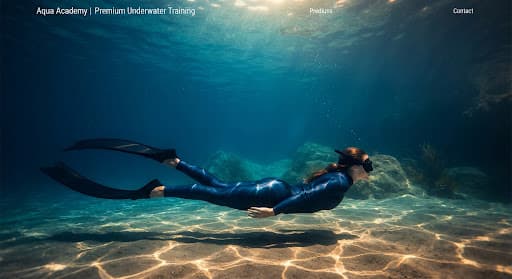
A useful foundation is not the longest glide. It is a body position you can enter, maintain briefly and leave without panic or an uncontrolled lift of the head. Establish that recoverable shape before asking for speed.
Treat breathing as an exchange, not an emergency
Holding the breath increases urgency and often changes head and trunk position. Practise a continuous controlled exhalation, then organise the turn for a small inhalation. The exact rhythm should match the learner and task rather than an arbitrary stroke count.
Find the balance error before adding kick
Sinking legs may follow a lifted head, late exhalation, rigid trunk or a line that begins too deep. Change one factor and compare short repeats. More kick can hide the problem temporarily while increasing fatigue.
Connect the sequence under supervision
Combine streamline, exhalation and a small number of controlled strokes. Stop the repeat while the cue remains clear, then ask the coach what changed first when the shape deteriorated.
- Use the same starting position.
- Keep the first distance short.
- Record one cue, not five.
Sources